Healing from Trauma and PTSD in Phoenix, AZ
Trauma changes the brain. When you experience or witness a terrifying, life-threatening, or deeply distressing event, your nervous system can become stuck in a state of high alert. Post-Traumatic Stress Disorder (PTSD) is not a sign of weakness; it is a biological and psychological response to overwhelming stress.
At Interventional Psychiatry of Arizona, we offer a safe, compassionate space for trauma recovery. Our medical experts utilize advanced psychiatric treatments to calm the brain's fear centers, reducing the intensity of flashbacks and hyperarousal so you can meaningfully engage in therapy and rebuild your life.
Recognizing the Signs of PTSD
PTSD symptoms can begin immediately after an event, or they may lay dormant for years before surfacing. They are generally grouped into four main categories:
Intrusive Memories
Recurrent, unwanted distressing memories of the traumatic event. Reliving the trauma through flashbacks, or experiencing severe emotional distress during nightmares.
Avoidance
Actively trying to avoid thinking or talking about the traumatic event, and going out of your way to avoid places, activities, or people that trigger memories.
Negative Changes
Negative thoughts about yourself, feelings of detachment from friends and family, emotional numbness, and inability to experience positive emotions.
Hyperarousal
Being easily startled or frightened, always being on guard for danger, self-destructive behavior, irritability, and severe sleep disturbances.
The Biological Impact of Trauma
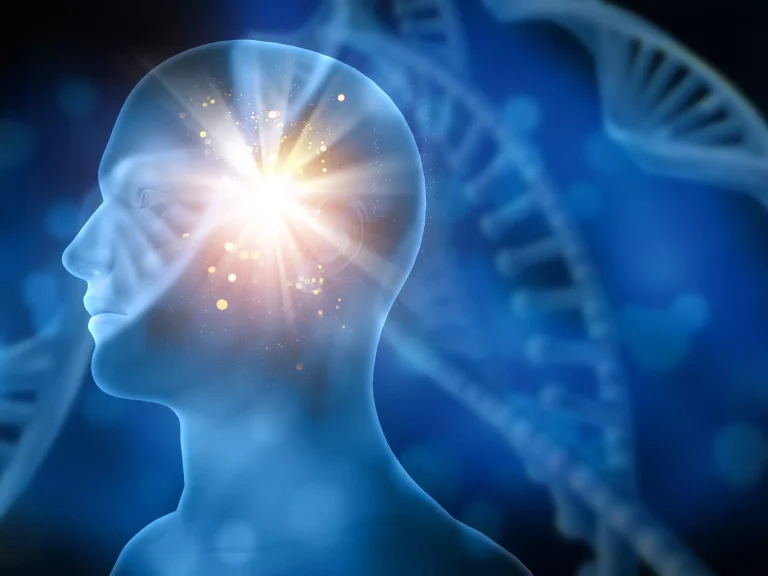
Trauma is not just "in your head"; it causes measurable physical changes in the brain. When a traumatic event occurs, the amygdala (the brain's fear center) becomes hyperactive, constantly scanning for danger. Meanwhile, the prefrontal cortex (the logic and reasoning center) becomes suppressed.
This is why you cannot simply "logic" your way out of a flashback or a panic attack. The brain is biologically trapped in a survival state. Our psychiatric interventions focus on calming the amygdala and restoring balance to the nervous system, which creates the mental space necessary for psychological healing.
Addressing the Full Picture of Trauma in Phoenix
PTSD rarely exists in a vacuum. The chronic stress of untreated trauma often leads to the development of secondary psychiatric conditions. At our Phoenix clinic, we treat the whole patient.
Anxiety & Panic
The hyperarousal caused by PTSD frequently triggers severe panic attacks and generalized anxiety, which we can effectively manage with precise psychiatric medication.
Insomnia
Nightmares and night terrors are hallmark symptoms of PTSD that destroy sleep architecture. We prioritize treating insomnia to give your brain the rest it needs to recover.
Substance Use
Many trauma survivors attempt to self-medicate their intense emotional pain with drugs or alcohol. We provide a judgment-free, medically sound approach to dual-diagnosis recovery.
Types of Trauma We Treat
Trauma comes in many forms. Whether your nervous system was overwhelmed by a single terrifying event or years of chronic stress, our providers are equipped to help you heal.
Acute Trauma
Resulting from a single, isolated incident such as a severe car accident on the I-10, a natural disaster, or a sudden physical assault.
Chronic Trauma
Stemming from repeated and prolonged exposure to highly stressful events, such as ongoing domestic violence, childhood abuse, or long-term combat exposure.
Secondary Trauma
Also known as compassion fatigue. Often experienced by first responders, medical professionals, and therapists who are continuously exposed to the trauma of others.
Why Choose InterPsych AZ for Trauma Care?
Finding a provider who truly understands the complexities of PTSD is crucial. Traditional talk therapy can sometimes re-traumatize a patient if their nervous system is not biologically stabilized first. As a premier psychiatric clinic serving Phoenix, Scottsdale, and Tempe, we prioritize biological stabilization.
Our Board-Certified providers use highly targeted medication management and breakthrough interventional therapies like Spravato to lower your brain's fear response. This creates the essential "window of tolerance" you need to engage safely and effectively with your trauma therapist.
Comprehensive Trauma Treatment Options
Targeted Medication Management
We utilize psychiatric medications like SSRIs or SNRIs to help correct the chemical imbalances caused by chronic stress. Additionally, we can prescribe specific medications to target severe nightmares and improve sleep quality, which is crucial for trauma recovery.
Spravato for Co-occurring Depression
Many patients with severe PTSD also suffer from treatment-resistant depression. Spravato (Esketamine) is highly effective at rapidly reducing depressive symptoms and promoting neuroplasticity, helping the brain "unstick" from rigid, trauma-based neural pathways.
Frequently Asked Questions: PTSD & Trauma
Do I have to be a military veteran to have PTSD?
No. While PTSD is commonly associated with combat veterans, anyone can develop PTSD after experiencing or witnessing a traumatic event. This includes car accidents, natural disasters, sexual or physical assault, domestic violence, or sudden medical emergencies.
Can medication cure my PTSD?
Medication does not "cure" PTSD or erase traumatic memories. However, medication can significantly reduce the intensity of symptoms like anxiety, hyperarousal, and nightmares. By calming your nervous system, medication makes it much easier for you to do the deep healing work required in trauma-focused therapies like EMDR or CBT.
What is Complex PTSD (C-PTSD)?
Classic PTSD often stems from a single traumatic event. Complex PTSD (C-PTSD) results from chronic, repeated trauma over months or years, such as prolonged childhood abuse or long-term domestic violence. C-PTSD often includes additional symptoms like severe difficulty regulating emotions and deep feelings of worthlessness.
Can PTSD cause physical health problems?
Yes. Because PTSD keeps the body in a constant state of "fight or flight," it chronically elevates cortisol and adrenaline. Over time, this severe physiological stress can lead to cardiovascular issues, chronic pain, gastrointestinal problems, and autoimmune disorders.
What is the difference between PTSD and Acute Stress Disorder?
Acute Stress Disorder (ASD) involves the exact same symptoms as PTSD (flashbacks, avoidance, severe anxiety), but it occurs immediately following the trauma and lasts anywhere from three days to one month. If the symptoms persist beyond one month, the diagnosis changes to PTSD.
What therapies are best for PTSD?
The most heavily researched and proven psychological treatments for PTSD are Eye Movement Desensitization and Reprocessing (EMDR), Trauma-Focused Cognitive Behavioral Therapy (TF-CBT), and Prolonged Exposure (PE). We often manage your medications while you engage in these specific therapies with a trauma specialist.
What exactly is a "trauma trigger"?
A trigger is any sensory input—a smell, a specific sound (like a car backfiring or a raised voice), a location, or even a specific anniversary—that causes the brain to instantly recall the traumatic event. When triggered, the body reacts as if the trauma is happening right now, leading to severe anxiety or panic.
Can EMDR therapy be done without medication?
Yes, many patients successfully complete EMDR (Eye Movement Desensitization and Reprocessing) without medication. However, if your baseline anxiety is so high that you cannot tolerate discussing or processing the trauma, psychiatric medication is often used as a temporary bridge to make EMDR possible.
Is PTSD considered a disability?
Yes. Because severe PTSD can drastically impair a person's ability to work, concentrate, and interact with others, it is recognized as a disability by the ADA (Americans with Disabilities Act) and the VA (Veterans Affairs). Proper psychiatric documentation is crucial if you are seeking accommodations.
Is it normal to not remember parts of the traumatic event?
Yes. Dissociative amnesia is a very common biological defense mechanism. During a severe trauma, the brain's memory center (the hippocampus) can be overwhelmed by stress hormones, preventing it from properly encoding the memory. You may have blank spots in your memory of the event, which is entirely normal.
Start Your Healing Journey
You do not have to let your past dictate your future. Contact our Phoenix clinic today to learn how our medical interventions can support your trauma recovery.
📞 Call us directly at (602) 824-8404
Request an Appointment