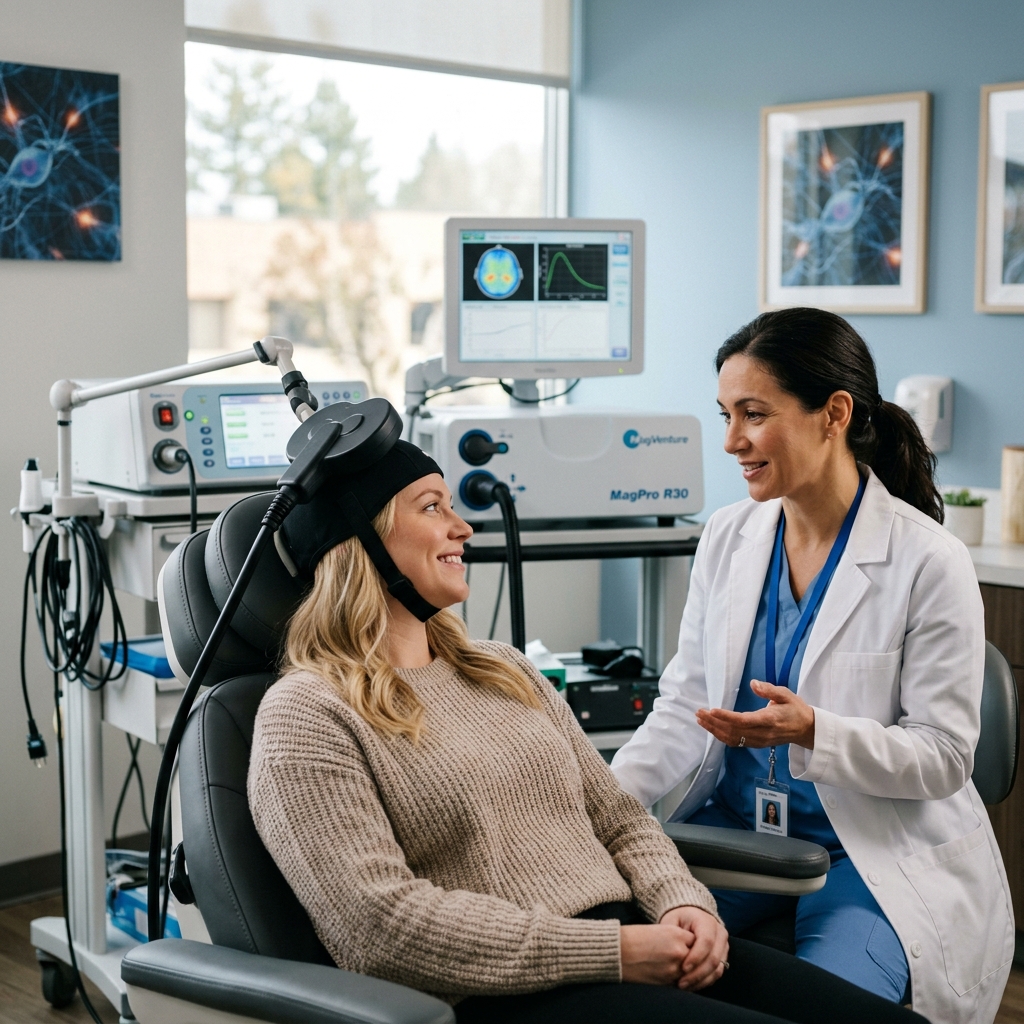
When considering treatments for treatment-resistant depression or anxiety, Transcranial Magnetic Stimulation (TMS) is often recommended due to its high efficacy and non-invasive nature. However, a common question we hear at Interventional Psychiatry of Arizona is, "How many sessions of TMS are needed?" Understanding the typical TMS protocol is vital for setting realistic expectations and planning your path to wellness.
The Standard TMS Treatment Protocol
TMS therapy works by using magnetic fields to stimulate nerve cells in the brain, particularly those areas involved in mood control and depression. Because it relies on neuroplasticity—the brain’s ability to reorganize itself by forming new neural connections—it requires repeated stimulation over a period of time to achieve lasting results.
The standard, FDA-approved protocol for TMS typically involves:
- Total Number of Sessions: Generally, between 30 to 36 sessions are required.
- Frequency: Sessions are typically administered 5 days a week (Monday through Friday).
- Duration of Treatment Course: The entire acute phase usually spans about 4 to 6 weeks.
- Tapering Phase: Often, the final 6 sessions are tapered off over an additional 2 to 3 weeks (e.g., three sessions one week, two the next, and one final session).
Why So Many Sessions?
You might wonder why TMS can't be completed in just a few visits. The answer lies in how the brain heals. TMS is like physical therapy for the brain. Just as you wouldn’t expect to rehabilitate a physical injury in a single physical therapy session, rebuilding neural pathways and altering brain chemistry takes time and consistent repetition.
Each session builds upon the previous one. The magnetic pulses gradually increase the activity in the prefrontal cortex—the area of the brain often underactive in patients with depression. Over the course of 30+ sessions, this repeated stimulation encourages sustained changes in brain function, leading to long-term relief from depressive symptoms.
Ready to See if TMS is Right for You?
If traditional medications haven't worked, TMS could be the answer. Contact Interventional Psychiatry of Arizona today to schedule a consultation and learn more about our TMS therapy options.
Timeline of Results: When Will I Feel Better?
Patience is key during TMS treatment. While some individuals may experience a "lift" in their mood within the first two weeks, this is not the norm for everyone. Here is a typical timeline of what to expect:
- Weeks 1-2 (Sessions 1-10): During this initial phase, the brain is just beginning to respond to the stimulation. You may notice subtle changes, such as improved sleep or slightly more energy, but significant mood improvements are less common. Some patients may also experience mild, temporary scalp discomfort during the first few sessions as they adjust to the sensation.
- Weeks 3-4 (Sessions 11-20): This is often when patients, or their family members, start noticing more distinct improvements. You might find it easier to get out of bed, notice a reduction in anxiety, or feel a greater sense of clarity and focus.
- Weeks 5-6 (Sessions 21-30+): The most significant and profound changes usually occur in the later stages of treatment. By this point, the cumulative effect of the sessions takes hold, leading to substantial reductions in depressive symptoms for many patients.
It is crucial to complete the entire course of treatment, even if you start feeling better early on, to ensure the neuroplastic changes are solidified.
Are Maintenance Sessions Needed?
For many patients, a single course of 36 sessions provides durable, long-lasting relief. However, depression is a chronic illness, and just like other medical conditions, it can sometimes relapse.
If symptoms return months or even years later, patients may benefit from "maintenance" or "booster" sessions. These are abbreviated courses of TMS—perhaps 10 to 15 sessions—designed to get symptoms back under control quickly. Maintenance needs vary greatly from person to person. Your psychiatrist will work closely with you to monitor your progress post-treatment and determine if further sessions are ever required.
Factors That Influence the Number of Sessions
While 30-36 sessions is the standard, personalized medicine means that treatment is always tailored to the individual. Several factors might influence your specific treatment plan:
- Severity of Symptoms: More severe or deeply entrenched treatment-resistant depression may sometimes require a slightly longer course or a specialized protocol.
- Concurrent Treatments: TMS is often most effective when used alongside other supportive therapies, such as medication management or counseling.
- Protocol Type: While standard TMS takes about 19-37 minutes per session, newer protocols like Theta Burst Stimulation (TBS) can deliver effective treatments in just 3 minutes, though the total number of sessions typically remains similar.
Frequently Asked Questions (FAQ)
Q: How long is each TMS session?
A: Depending on the specific device and protocol used, a standard TMS session lasts between 19 and 37 minutes. Theta Burst Stimulation (TBS) can be completed in as little as 3 minutes.
Q: Can I miss a TMS session?
A: While it's highly recommended to attend sessions five days a week consecutively for the best results, missing an occasional session will not ruin the treatment. The missed session is simply added to the end of the course.
Q: Do I need to be hospitalized for TMS?
A: No. TMS is entirely an outpatient procedure. You can drive yourself to and from the clinic and resume your normal daily activities immediately after each session.
Begin Your Path to Relief in Phoenix, AZ
If you have tried multiple medications and therapies without success, TMS offers a proven, FDA-cleared alternative. Committing to the full course of TMS sessions is an investment in your mental health and future well-being.
At Interventional Psychiatry of Arizona, our compassionate team is dedicated to guiding you through every step of the process. Contact us today at (602) 824-8404 to schedule an evaluation and discover if TMS therapy is the right choice for you.